

Co-Wash vs. Shampoo: Which Is Better for Your Hair?
Shampoo is not the only way to cleanse your hair. Co-washing, sometimes called cream cleansing, offers a gentler alternative for hair that becomes dry, frizzy, or difficult to manage after frequent shampooing. The better option depends on your scalp, hair texture, styling habits, and product buildup.
What is shampooing?
Traditional shampoo uses cleansing ingredients to remove oil, sweat, dirt, and styling residue from the scalp and hair. It is effective when you need a thorough reset, but washing too frequently with a cleanser that is too strong for your hair can leave some textures feeling dry.
What is co-washing?
Co-washing means cleansing with a conditioning or cream-based formula that produces little or no lather. It aims to refresh the scalp and hair while preserving more softness and moisture than a traditional wash.
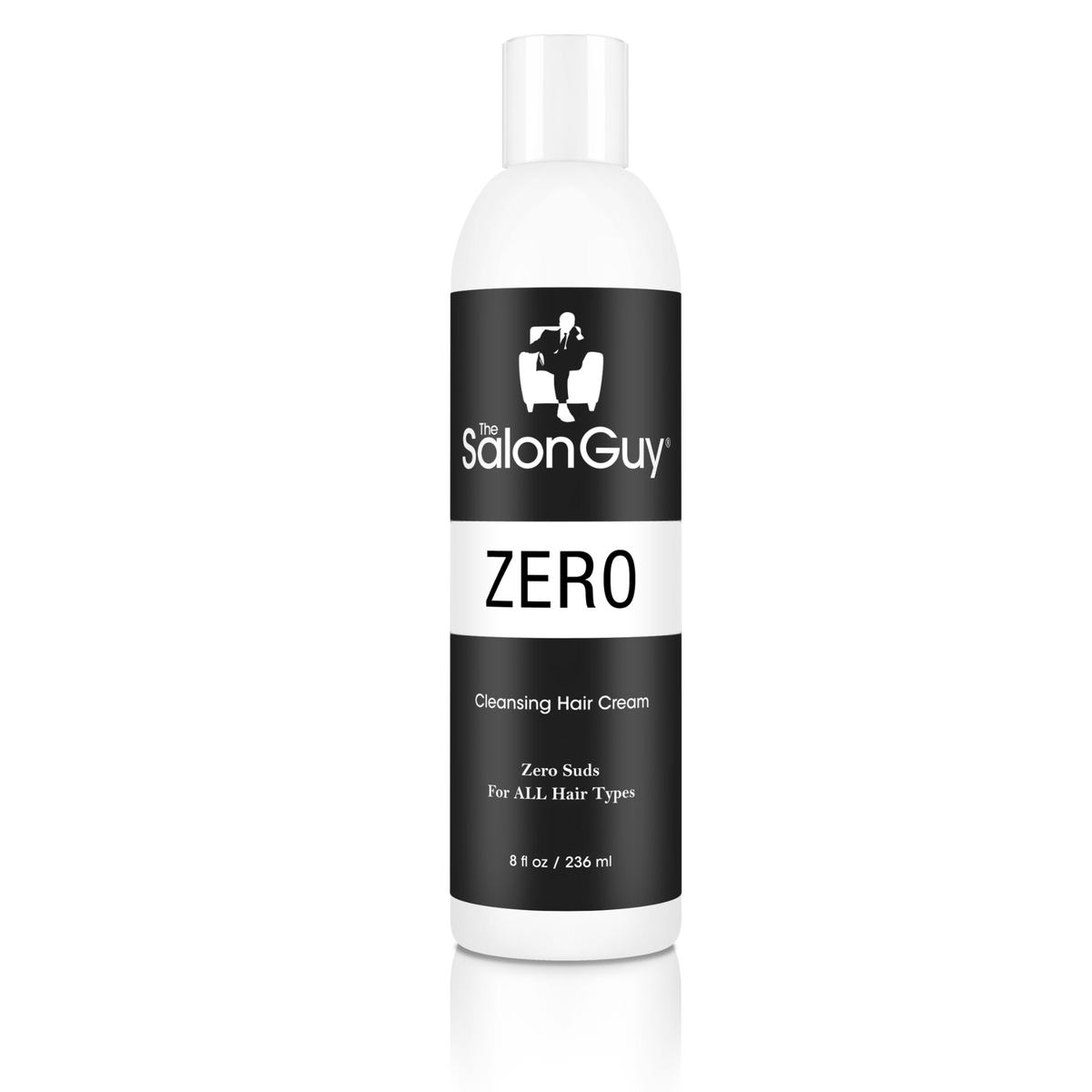
ZERO Zero Suds Cleansing Hair Cream is a no-suds option for people who want a gentler cleansing step.
Co-wash vs. shampoo at a glance
- Cleansing strength: Shampoo generally removes heavier oil and buildup more effectively.
- Moisture: Co-washing usually leaves hair feeling softer and less stripped.
- Lather: Shampoo often foams; cleansing cream may produce little or no suds.
- Best frequency: Co-wash can fit between shampoo days, while shampoo provides a deeper reset when needed.
Who may benefit from co-washing?
- Dry, curly, wavy, coarse, or textured hair
- Hair that frizzes or feels rough after shampooing
- Color-treated or chemically processed hair that needs gentler care
- People who wash frequently because of workouts or daily routines
- Longer hair that needs softness and manageability
Who may need shampoo more often?
- Very oily scalps
- Fine hair that becomes flat or coated easily
- People who regularly use waxes, heavy pastes, dry shampoo, or silicone-rich products
- Anyone experiencing stubborn buildup that a cream cleanser does not remove
How to use a cleansing hair cream
- Wet the hair and scalp thoroughly.
- Apply the cleansing cream across the scalp, not only the ends.
- Massage with your fingertips to loosen oil and residue.
- Work the product through the lengths.
- Rinse very thoroughly, even though there are few or no suds.
- Style as usual and adjust the amount or frequency based on how your hair feels.
Can you alternate co-wash and shampoo?
Yes. Many people get the best results by using a cleansing cream between regular shampoo days. For example, you might co-wash after light workouts or when the hair needs refreshing, then use shampoo when oil or styling residue begins to accumulate.
How do you know if co-washing is working?
Your hair should feel clean enough at the scalp, softer through the lengths, and easier to style. If it becomes limp, greasy, itchy, or coated, reduce the frequency and use shampoo for a deeper cleanse.
Choose the method your hair needs
Co-washing and shampooing are not enemies. Think of them as different tools. Use shampoo when you need a stronger reset and a cream cleanser when your hair needs a gentler refresh.
Try ZERO Zero Suds Cleansing Hair Cream by TheSalonGuy for a no-lather cleansing option designed around softness and manageability.


Leave a comment
This site is protected by hCaptcha and the hCaptcha Privacy Policy and Terms of Service apply.